[ TPU · Invisible · Self-healing · Hydrophobic ]

Paint protection
film.

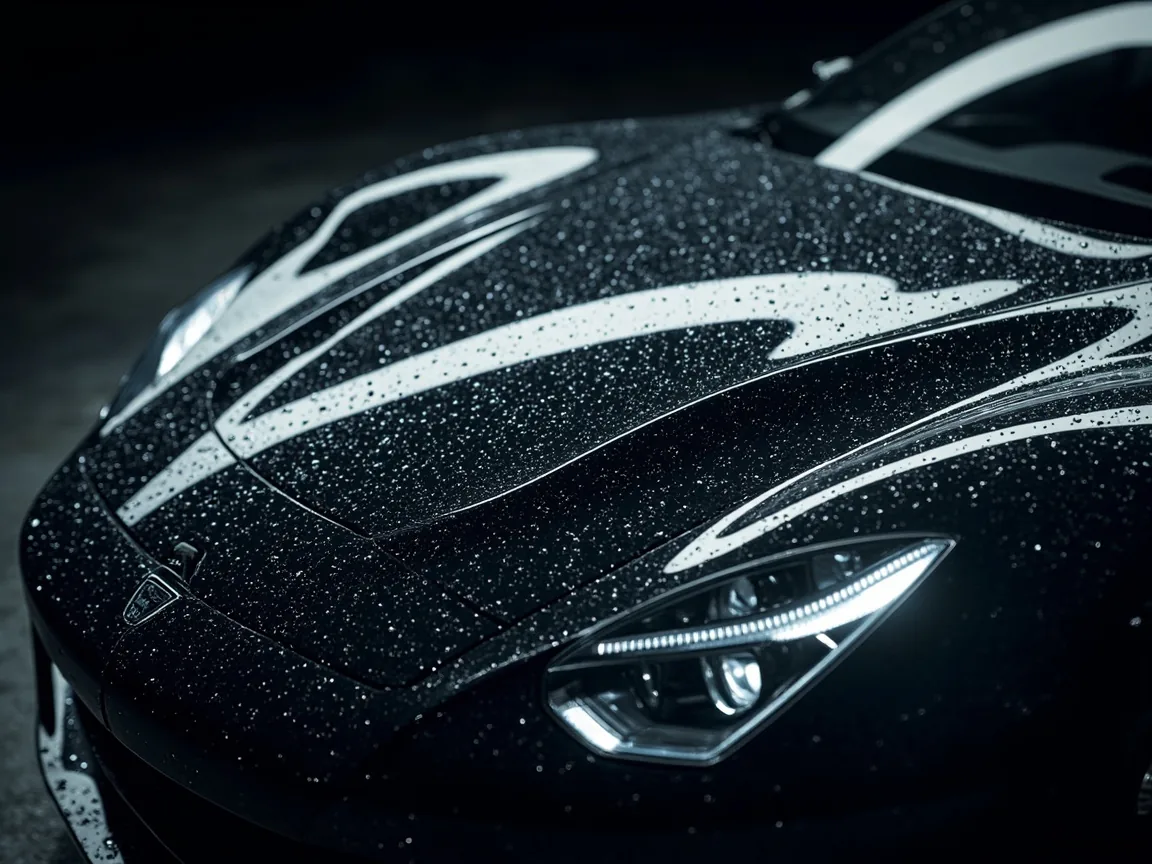
A self-healing TPU (thermoplastic polyurethane) film that shields factory paint from stone chips, scuffs, and the elements — while staying optically clear. Invisible armor engineered for impact, not color change.

[ Why TPU PPF ]

TPU is the armor layer.

Our paint protection film is multi-layer thermoplastic polyurethane (TPU) — not PET color film, not PVC. TPU is elastic, impact-absorbing, and optically clear. Factory paint takes a beating every mile; TPU is the layer that takes those hits instead.

Stone-chip defense

Thick TPU absorbs stone chips, scuffs, and road debris that would permanently mark bare paint. The film takes the impact, not the finish underneath.

Self-healing topcoat

An elastomeric TPU topcoat smooths its own micro-scratches with gentle heat — sun, warm water, or a heat gun. Wash swirls disappear on their own.

Optical clarity

Crystalline, non-yellowing TPU. Your factory paint color reads true through the film — the armor is invisible at any distance.

Long service life

Engineered for 7–10 years on vertical surfaces. Hydrophobic and stain-resistant topcoat keeps clarity high with normal care.

[ Material difference ]

PPF is TPU. Color film is PET.

They solve different jobs. Color-change wraps use PET for color and finish. Paint protection uses TPU for impact absorption and self-healing — keeping factory paint pristine without changing how it looks.

[ Dimension ]
[ Color film · PET ]
[ PPF · TPU ]
Primary job
Change color & finish
Protect original paint
Base material
PET polyester film
TPU thermoplastic urethane
Typical thickness
3.5–4.5 mil
8–10 mil
Self-healing
No — finish-locked topcoat
Yes — heat-activated elastomeric
Appearance
Colored / textured finishes
Optically clear / invisible

[ Spec sheet · TPU ]

Engineered as armor.

Our PPF is multi-layer thermoplastic polyurethane (TPU) — thicker and more elastic than PET color film. A self-healing elastomeric topcoat absorbs impacts that would chip bare paint, then smooths light scratches with gentle heat. The result is a finish that stays showroom-fresh for years.

Optically clear with anti-yellowing properties, hydrophobic and stain-resistant, and removable cleanly when its service life ends — without lifting factory paint.

Material
TPU

Thermoplastic polyurethane

Thickness
8–10 mil

~0.20–0.25 mm

Topcoat
Self-healing

Heals light scratches with heat

Clarity
Optical

Crystalline, non-yellowing

Service life
7–10 years

Vertical surfaces, proper care

[ Up close ]

The film, in detail.

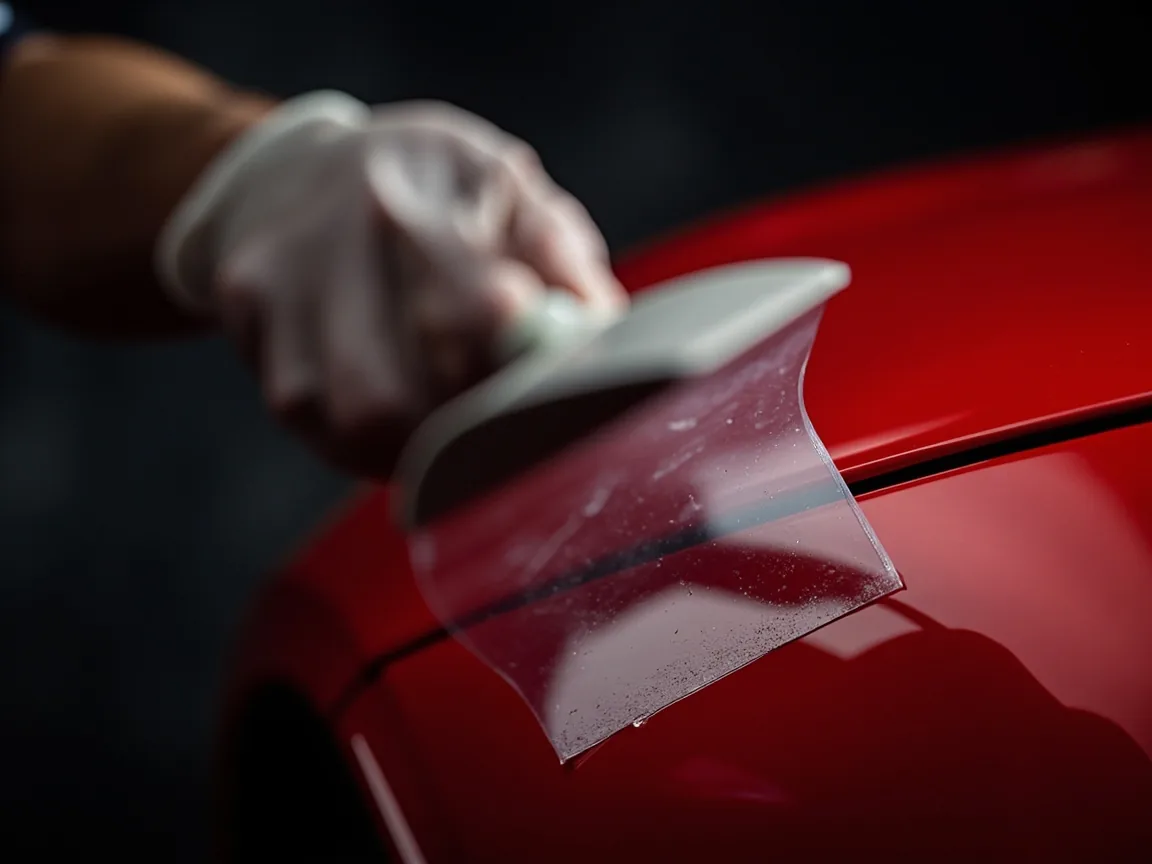
PPF being installed on a vehicle fender
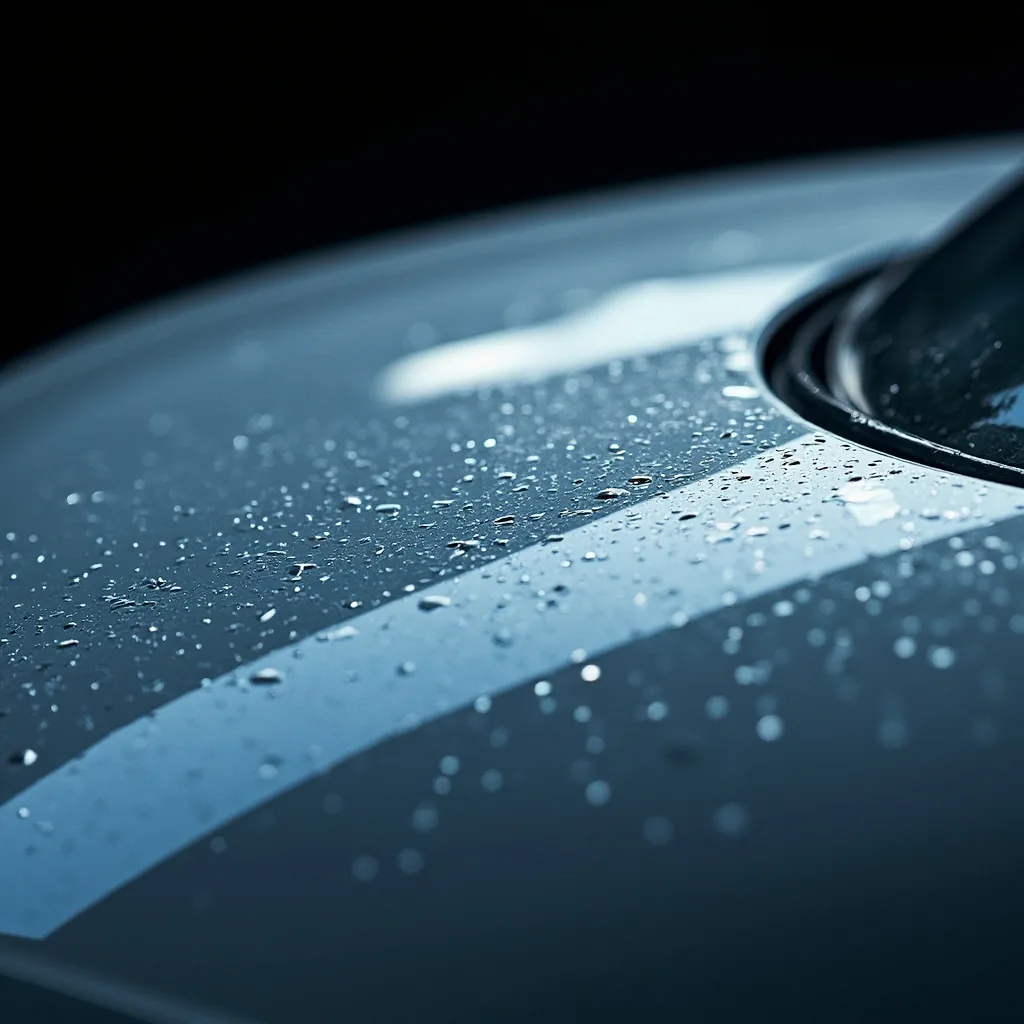
Macro detail of PPF self-healing texture

Water-beading topcoat

A hydrophobic surface layer forces water into tight beads that roll off carrying dirt — less washing, less swirling, longer-lasting clarity.

[ Coverage ]

Where the armor goes.

From targeted high-impact zones to full-body wraps — choose coverage to match your driving and your budget.

01

Front impact zone

Hood leading edge, front bumper, fenders, mirrors, and headlights — the surfaces that take the most stone-chip punishment. The most protection per dollar.

02

High-traffic add-ons

Door cups, door edges, load sills, rocker panels, and rear bumper. Targeted defense where hands, feet, and cargo scuff paint daily.

03

Full body

Every painted panel, edge-wrapped and seam-tucked. Complete preservation for collectors, lease returns, and resale value.

[ Care ]

Keeping it invisible.

Cure period
Avoid washing for the first 7–10 days after install. The adhesive needs time to fully bond and any micro-bubbles to settle out.
Washing
Hand wash with a pH-neutral shampoo and soft mitt. Touchless automated washes are acceptable; avoid brush washes that can scuff the topcoat.
Avoid harsh chemicals
No solvents, degreasers, or citrus-based cleaners. Bug and tar removers should be PPF-safe and rinsed promptly.
Spot contaminants fast
Bird droppings, tree sap, and bug splatter are acidic. Wipe them off quickly to prevent staining or etching the topcoat.
Ceramic on top
A PPF-safe ceramic coating can be layered over the film for extra hydrophobicity and easier cleaning. Confirm compatibility first.
Annual inspection
Have edges and seams checked yearly. Lifting edges trap dirt; caught early, they're a quick fix, not a re-wrap.